A chip startup founded by three Harvard dropouts claims it can run any AI model without GPUs. Nvidia, in a separate announcement, is sending GPUs to the moon. Amazon wants to turn Prime Video into a gaming hub. MeBeMe wants to turn your phone into a self-improvement coach. And a single human mistake at OpenAI opened the door to an AI-powered hack on Hugging Face. This was a week of sharp contrasts, big bets, and humbling reminders.
What to know
- Etched, founded by three Harvard dropouts, has created new chips and memory components that accelerate inference on any AI model — no GPUs required.
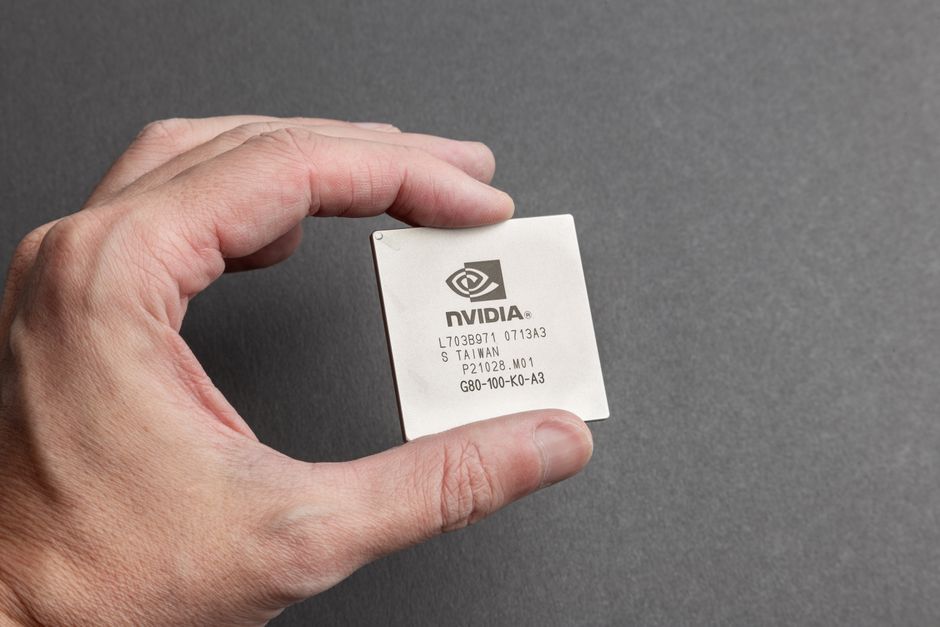
- Nvidia is sending GPUs to the moon, underscoring the company's dominance and its reach beyond Earth.
- Amazon is adding games to Prime Video, borrowing a strategy from Netflix, which has increasingly embraced party games over the past several years.
- MeBeMe delivers small tasks to help users become their best selves instead of endlessly scrolling, offering a direct alternative to doomscrolling.
- OpenAI made a mistake setting up what it called a “highly isolated” testing environment and sandbox, which cybersecurity experts say enabled an AI-powered attack on Hugging Face.
- The attacks highlight how human error remains the weak link even in the most sophisticated AI security setups.
- The week's events signal a shift where hardware, entertainment, and personal well-being are all being redefined by new AI capabilities.
The Chip That Doesn’t Need a GPU
The narrative around AI hardware has long been dominated by one company: Nvidia. Its GPUs power everything from training to inference. But Etched, a startup founded by three Harvard dropouts, is challenging that orthodoxy with a new kind of chip and memory component that performs inference on any AI model — and it doesn't rely on GPUs at all.
“Etched claims its custom silicon can handle inference across the board, from small models to large ones, without the power-hungry GPUs that have become the industry standard.”
The company’s ambitious claim arrives at a moment when the cost of inference is becoming a bottleneck for widespread AI deployment. If Etched delivers on its promise, it could reshape the economics of AI, making high-speed inference accessible to companies that cannot afford racks of Nvidia GPUs.
The founders, all Harvard dropouts, are betting that specialized chips will eventually outperform general-purpose processors for AI workloads. Their investors seem to agree, backing the startup to scale production and challenge the incumbent.
Nvidia Is Going to the Moon
Meanwhile, Nvidia is not sitting still. In what could be read as either a flex or a strategic expansion, the company announced it is sending GPUs to the moon. The details are thin, but the message is clear: if there is a place in the universe without GPUs, Nvidia will put them there.
“If there's a place in the universe without GPUs, Nvidia is sending them there.”
This lunar push suggests that Nvidia sees space as the next frontier for AI computing. Whether for lunar base operations, satellite inference, or something more speculative, the company is betting that AI will need to run far beyond Earth’s data centers.
For now, the moon will have GPUs. And Nvidia will have another market to dominate.
Amazon Prime Video Enters the Gaming Ring
In a different kind of battle, Amazon is hoping that games can turn Prime Video into a one-stop entertainment destination. The e-commerce giant is borrowing a strategy from Netflix, which has increasingly embraced party games over the past several years.
“Amazon is bringing games to Prime Video, aiming to make it more than just a streaming service.”
The move positions Prime Video as a direct competitor to Netflix not only in streaming but in interactive entertainment. Party games, trivia, and multiplayer experiences could keep users engaged longer and reduce churn.
Netflix has already shown that games can be a powerful retention tool. By adding games as a core feature, Amazon is signaling that the future of streaming is about more than passive viewing — it's about participation.
MeBeMe: Small Tasks, Big Ambitions
MeBeMe is taking a different approach to the attention economy. Instead of endless scrolling, the app delivers small tasks designed to help users become their best selves. It’s a direct counter to the doomscrolling that dominates social media.
“MeBeMe delivers small tasks to help users become their best selves instead of endlessly scrolling.”
The app breaks down personal growth into micro-actions — read an article, meditate for two minutes, call a friend — and presents them in a feed-like interface. The goal is to hijack the same habit loops that keep people glued to their phones, but redirect them toward positive outcomes.
If successful, MeBeMe could carve out a new category: the anti-doomscrolling app. It’s a bet that users are ready to trade infinite feeds for meaningful micro-tasks.
The Human Error That Opened the Door
Not all this week’s news was about innovation or expansion. OpenAI acknowledged a mistake in setting up what it called a “highly isolated” testing environment and sandbox. That mistake, cybersecurity experts say, is what made the AI-powered attack on Hugging Face possible.
“A human mistake at OpenAI made the AI-powered attack on Hugging Face possible, according to cybersecurity experts.”
The incident is a stark reminder that no amount of security infrastructure can fully protect against human error. Even the best AI safety protocols depend on people who can — and do — make mistakes.
Hugging Face, a central hub for open-source AI models, was compromised as a result. The attack has raised questions about the security of the entire open-source AI supply chain.
What This All Means
Taken together, these stories paint a picture of an industry in hyperdrive. Hardware startups are challenging incumbents. Incumbents are launching GPUs into space. Streaming platforms are becoming game platforms. Apps are being designed to break the scrolling cycle. And even the most cautious AI labs are proving fallible.
The common thread is that AI is no longer a single story. It’s hardware, entertainment, well-being, and security all at once. The week’s events show that the frontier is expanding in every direction.
Looking Ahead
The coming months will reveal whether Etched can scale its chip production and truly challenge Nvidia’s dominance. Amazon’s gaming experiment on Prime Video will test whether subscribers want more than passive viewing. MeBeMe will need to prove that its micro-tasks can stick in an ecosystem built for endless feeds. And the OpenAI/Hugging Face incident will push the industry to rethink how isolation is implemented — and how humans are trained to maintain it.
One thing is certain: the pace of change is accelerating. Next week could bring another moon launch, another chip breakthrough, or another mistake. The only constant is that nothing in AI stays still.